About the MD Programmes
Sant Hirdaram Medical College of Naturopathy and Yogic Sciences offers postgraduate academic programmes designed to develop advanced knowledge, clinical skills, research aptitude and teaching competencies in the fields of Naturopathy, Yoga, and Acupuncture & Energy Medicine.
The postgraduate curriculum emphasises theoretical learning, practical and clinical training, applied medical sciences, research methodology, scientific literature review, professional ethics and dissertation work. It aims to prepare students to understand health and disease, assess patient needs, apply appropriate therapeutic approaches within their professional scope, and contribute to healthcare, education and research.
The three postgraduate specialisations are:
- MD in Naturopathy
- MD in Yoga
- MD in Acupuncture & Energy Medicine
Each programme is structured around foundational concepts, applied medical sciences, specialised clinical training and independent research, as outlined in the university curriculum.
Programme Objectives
The postgraduate programmes aim to:
- Develop advanced theoretical knowledge and practical competencies in the chosen specialisation.
- Strengthen understanding of anatomy, physiology, pathology and other relevant medical sciences.
- Promote ethical, patient-centred and evidence-informed professional practice.
- Develop clinical assessment, case documentation and therapeutic planning skills.
- Encourage scientific inquiry, research methodology, biostatistics and critical appraisal of published literature.
- Build teaching, communication, leadership and healthcare management competencies.
- Promote awareness of preventive healthcare, rehabilitation, community health and health education.
- Encourage lifelong learning and engagement with advances in the relevant discipline.
Academic and Clinical Training
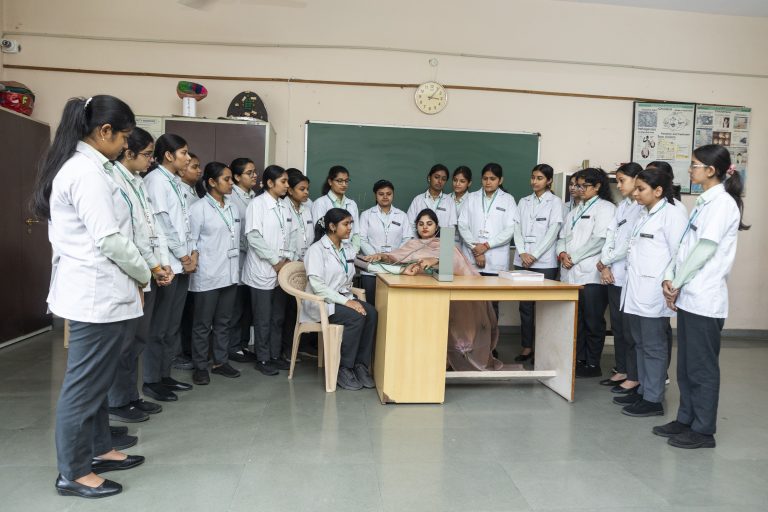
The curriculum integrates classroom teaching with practical sessions, supervised clinical work, case presentations, journal reviews, seminars, workshops and research activities. Students are expected to develop competence in patient assessment, clinical reasoning, documentation and communication under appropriate academic and clinical supervision.
A dissertation forms an important component of postgraduate training. It provides an opportunity to undertake a structured research project, review relevant scientific literature, analyse observations and present findings under the guidance of an approved supervisor.